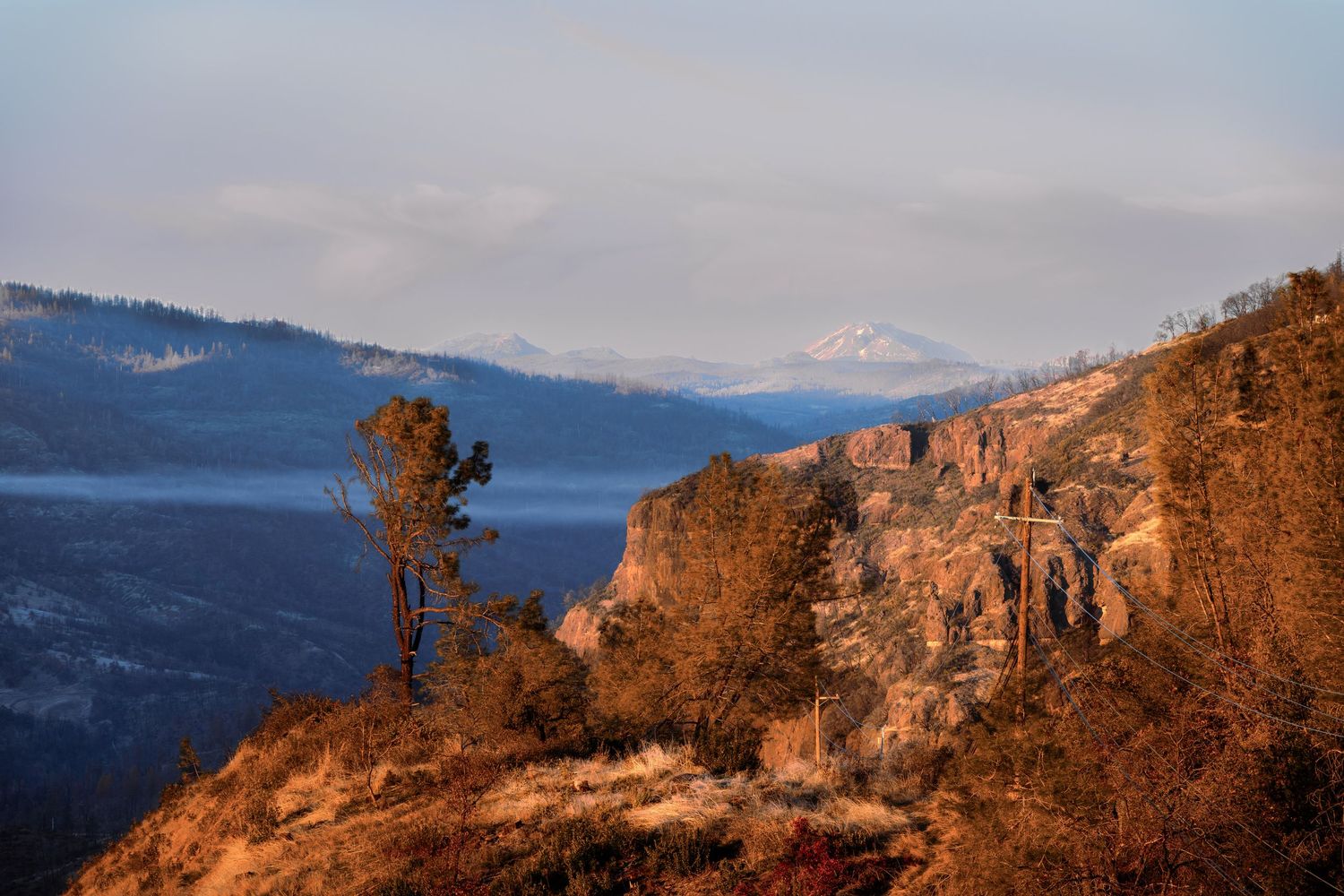
What's the point of shooting at f/11 with a 1/20 second shutter speed when you could just bump up your ISO and shoot faster? For this sunset image from Crown Point in Forest Ranch, the answer lies in a technology called pixel shift—and the results speak for themselves.
What is Pixel Shift Shooting?
Pixel shift technology, available in cameras like the Nikon Z8, captures multiple frames (typically 4-32) while physically moving the sensor by one pixel between each shot. The camera then combines these images to create a single file with significantly more color information and detail than a standard single exposure. Each photosite on the sensor captures red, green, AND blue data instead of just one color, effectively quadrupling the color resolution.
Why Use It for Landscapes?
This December sunset at Crown Point presented an ideal scenario: a static landscape with incredible detail worth capturing—from the textured volcanic rocks in the foreground to the distant peak of Mount Lassen. The compression of the 200mm lens emphasized the layered ridges, and pixel shift ensured every element, from the warm-lit rock formations to the subtle gradations in the valley fog, was rendered with maximum fidelity.
The Trade-offs
Pixel shift requires a completely stable camera (tripod essential) and a static subject. Even slight wind movement in vegetation can create artifacts. At 1/20 second and f/11, I was balancing depth of field with the stillness of the December evening. Any subject movement would show as color fringing or ghosting in the final merge.
When to Use It
Pixel shift isn't for every shoot—it's a specialized tool for when you need maximum resolution and color accuracy. Architecture, product photography, detailed landscapes, and fine art prints all benefit from this technology. For this Crown Point sunset, the stillness of the winter evening and the geological detail made it the perfect candidate.
The resulting file contains details that wouldn't be possible with a single exposure, making it ideal for large format prints where viewers can appreciate the texture in every rock face and the subtle atmospheric gradations across the mountain ridges.
TECHNICAL DETAILS
Camera Settings:
Camera: Nikon Z8
Lens: 200mm
Aperture: f/11
Shutter Speed: 1/20 second
Location: Crown Point, Forest Ranch, CA
Time: Sunset, December 2025
Pixel Shift Settings (Nikon Z8):
Mode: Pixel Shift Shooting (accessible via Photo Shooting Menu)
Number of Shots: 32 frames
Processing: post-processing via Nikon NX Studio and Lightroom
File Size: Approximately 4x larger than standard RAW files
Why These Settings:
f/11: Optimal sharpness for the lens while maintaining sufficient depth of field across the layered landscape
1/20 second: Slow enough to keep ISO at base (64 or 100) for maximum image quality; required stable tripod and windless conditions
200mm: Compressed perspective to emphasize the stacked mountain ridges and atmospheric layers
32-shot pixel shift: Maximum color resolution for large format printing
Key Consideration:
Pixel shift requires 2-3 times longer total exposure time than single-shot. With 32 frames at 1/20 second, the total capture time was approximately 0.4 seconds—any movement during this window would create artifacts.